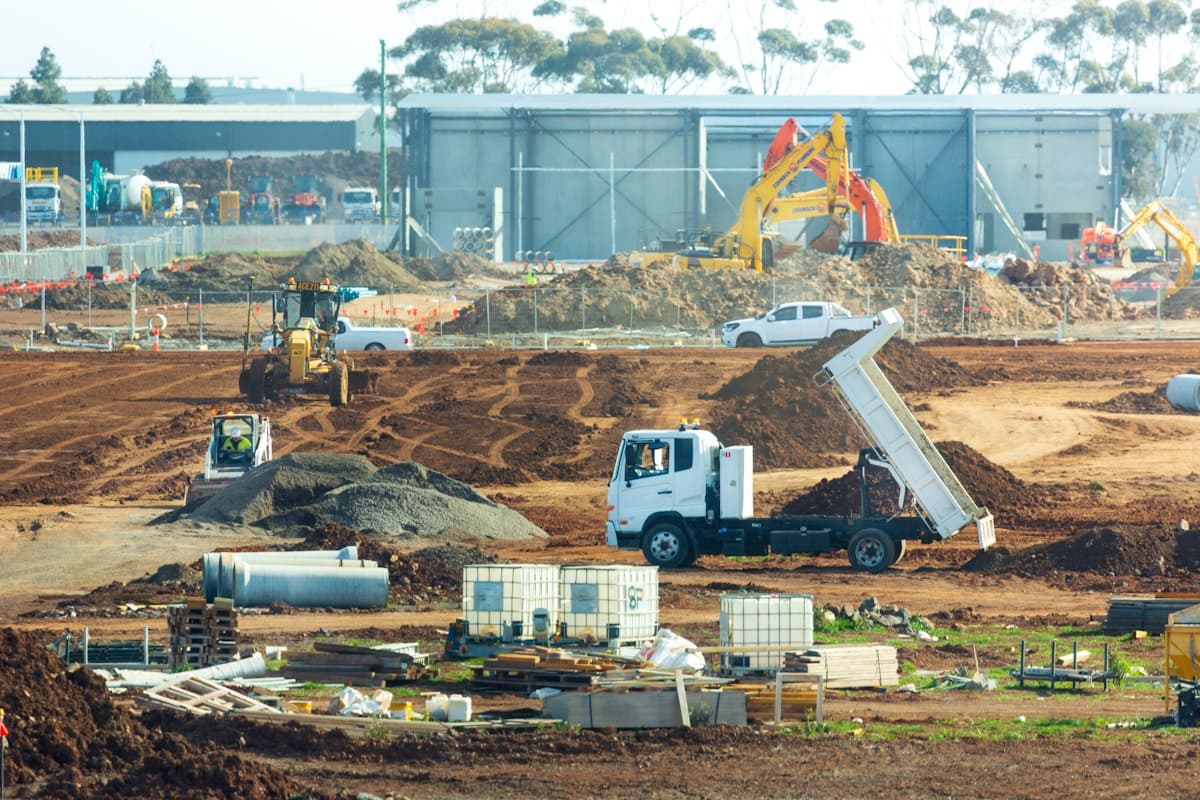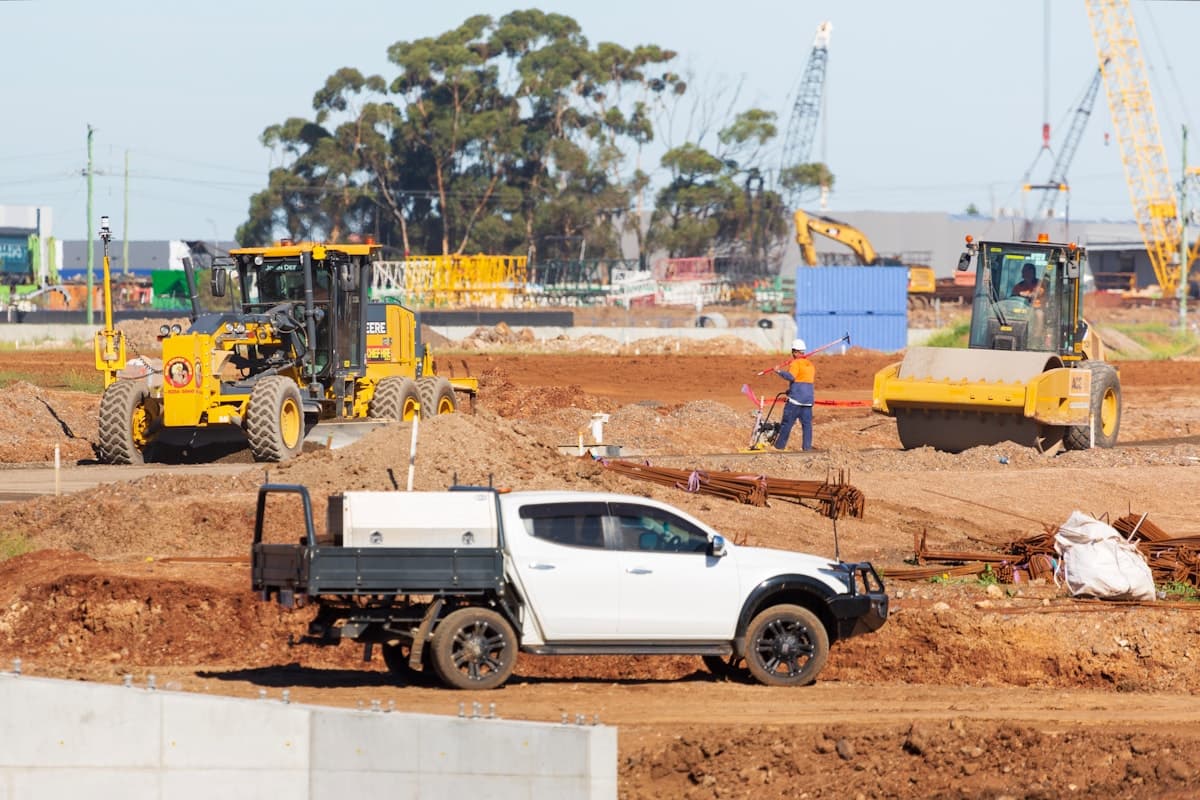

Building work links design, approvals, pricing, procurement and site conditions.
A building project begins long before work starts on site. Design information, approvals, site conditions, selections, allowances and the construction program all influence what a builder can price and deliver. The Index Building profile brings its Canberra location and building services into the same view as the scope and documentation issues discussed here.
Homeowners should give each builder the same current drawings and written scope, then record assumptions and exclusions separately. This creates a clearer basis for comparing proposals and reduces late surprises. Australian Building Codes Board resources provide a reliable external reference when owners frame questions about compliance, documentation and construction responsibilities.
Five questions answered
Give every provider the same facts, desired outcome, timing, location, budget range and non-negotiable constraints. Ask them to identify assumptions, exclusions, third-party dependencies and information still required before the scope can be confirmed.
Confirm approvals, insurance and site responsibilities.
Approvals and latent conditions can affect both price and program. Identify who obtains each approval, protects adjoining areas and manages access before work begins.
Ask for the answer in writing and note the source information used. This creates a practical boundary for the work and makes proposals easier to compare when price, timing or circumstances change.
Write down how variations affect price and program.
A variation should show scope, cost and time impact before work proceeds. The process should also explain how urgent site decisions are documented and approved.
Ask for the answer in writing and note the source information used. This creates a practical boundary for the work and makes proposals easier to compare when price, timing or circumstances change.
Align plans, specifications, schedules and the price.
All documents should describe the same finished work. Ask the builder to mark the exact drawing, specification or schedule used for each material answer.
Ask for the answer in writing and note the source information used. This creates a practical boundary for the work and makes proposals easier to compare when price, timing or circumstances change.
Separate fixed scope from allowances and provisional sums.
Allowances move when selections or site facts change. Check the quantity, quality level and evidence behind each amount, including margins and program consequences.
Ask for the answer in writing and note the source information used. This creates a practical boundary for the work and makes proposals easier to compare when price, timing or circumstances change.
Compare the replies on the same basis
A clear proposal defines deliverables, dependencies, review points, costs and the person responsible for the next step. Pause when broad promises leave major exclusions open or do not explain what happens when circumstances change.
Separate price certainty from allowances
Prime cost items and provisional sums are not fixed prices. Consider both the financial adjustment and the possible effect on procurement and sequencing.
Record the decision beside its related cost, deadline and evidence. If providers recommend different approaches, ask each to explain the consequence of the alternative rather than forcing a false comparison.
Plan the handover before construction starts
Define practical completion, inspection steps, certificates, manuals and the process for incomplete or defective work before reaching the final stage.
Record the decision beside its related cost, deadline and evidence. If providers recommend different approaches, ask each to explain the consequence of the alternative rather than forcing a false comparison.
Turn drawings into one coordinated scope
Plans, engineering, specifications and schedules should describe the same finished work. When they conflict, record which document takes priority before comparing prices.
Record the decision beside its related cost, deadline and evidence. If providers recommend different approaches, ask each to explain the consequence of the alternative rather than forcing a false comparison.
A confident decision is traceable: facts, alternatives and a documented reason for the next step.
Before proceeding
For Index Building: Making Canberra Construction Easier to Understand, the practical objective is a decision that can be explained later: what information was considered, which assumptions remained open, why the selected scope was suitable and what must be reviewed before the next commitment.
Verify current registrations where required, read the engagement agreement and retain the source material used for the decision. General information does not replace personal legal, tax, credit or investment advice.