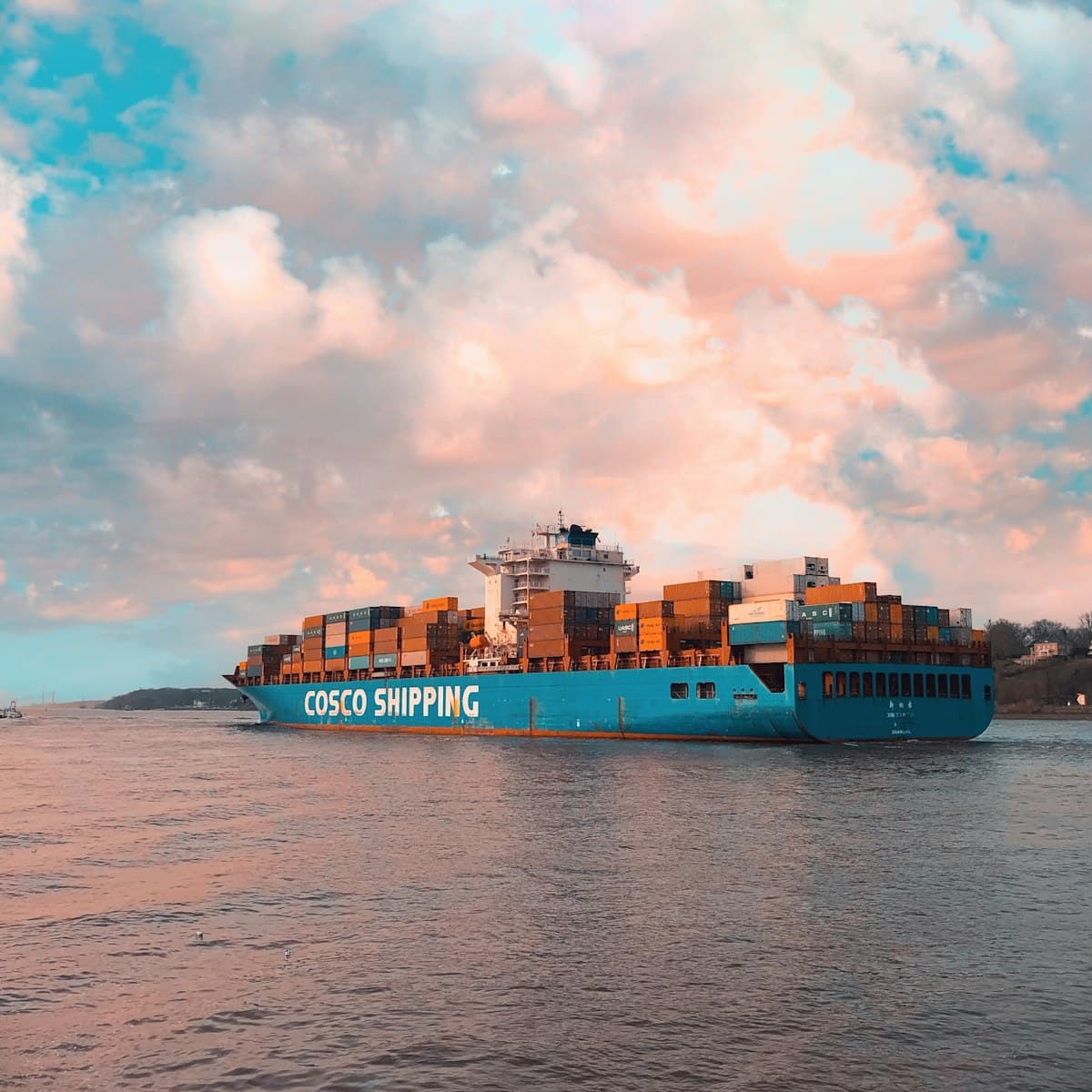

A freight quote only makes sense when route, dimensions, weight, handling, customs and delivery scope are consistent.
International shipping involves more than choosing between sea and air freight. Packing, chargeable dimensions, commodity information, customs requirements, insurance and last-mile access determine the real scope and cost. A focused search among International Shipping providers listed on QX Web works better when the scope, budget and information needed from each provider are already clear.
Give each provider the same origin, destination, quantities and delivery requirements. Confirm which party controls every handover so quotations can be compared without overlooking destination charges or clearance responsibilities. The preparation stage is a good time to consult Australian Border Force importing and exporting guidance and note any issues that require professional advice.
A field guide for the first 30 minutes
Give every provider the same facts, desired outcome, timing, location, budget range and non-negotiable constraints. Ask them to identify assumptions, exclusions, third-party dependencies and information still required before the scope can be confirmed.
Quick check
Use this checklist during the first provider conversation.
1. Name every origin, freight, customs and destination charge.
Map origin handling, freight, insurance, clearance, duties, storage and delivery beside the responsible party. This exposes omissions between apparently similar quotations.
Ask for the answer in writing and note the source information used. This creates a practical boundary for the work and makes proposals easier to compare when price, timing or circumstances change.
2. Clarify permits, Incoterms and clearance responsibility.
Accurate descriptions, values and permits support clearance. Record where risk transfers and who can authorise extra charges or document corrections.
Ask for the answer in writing and note the source information used. This creates a practical boundary for the work and makes proposals easier to compare when price, timing or circumstances change.
3. Plan for inspections, delays and last-mile access.
Port congestion, inspections and restricted delivery access can change timing. Decide who receives updates and what happens if storage or redelivery is required.
Ask for the answer in writing and note the source information used. This creates a practical boundary for the work and makes proposals easier to compare when price, timing or circumstances change.
4. Confirm packing, dimensions, weight and commodity details.
Commodity, material, origin, value, dimensions and treatment details affect carriage and customs. Use measured information and identify dangerous, fragile or regulated items early.
Ask for the answer in writing and note the source information used. This creates a practical boundary for the work and makes proposals easier to compare when price, timing or circumstances change.
Compare the replies on the same basis
A clear proposal defines deliverables, dependencies, review points, costs and the person responsible for the next step. Pause when broad promises leave major exclusions open or do not explain what happens when circumstances change.
Build contingency into the arrival plan
Review documents before collection and maintain schedule contingency for inspections, corrections, storage and last-mile constraints.
Record the decision beside its related cost, deadline and evidence. If providers recommend different approaches, ask each to explain the consequence of the alternative rather than forcing a false comparison.
Describe the cargo accurately
Measure chargeable weight, volume and packing consistently. Flag handling constraints before collection rather than after the shipment reaches a terminal.
Record the decision beside its related cost, deadline and evidence. If providers recommend different approaches, ask each to explain the consequence of the alternative rather than forcing a false comparison.
Map every charge and handover
If an amount is excluded or payable at destination, record how it is calculated and who controls the relevant service.
Record the decision beside its related cost, deadline and evidence. If providers recommend different approaches, ask each to explain the consequence of the alternative rather than forcing a false comparison.
A confident decision is traceable: facts, alternatives and a documented reason for the next step.
Before proceeding
For Sea Freight or Air Freight? Let Inventory Timing Decide, the practical objective is a decision that can be explained later: what information was considered, which assumptions remained open, why the selected scope was suitable and what must be reviewed before the next commitment.
Verify current registrations where required, read the engagement agreement and retain the source material used for the decision. General information does not replace personal legal, tax, credit or investment advice.